Key Takeaways
- Sustainability goals established early in planning contributed to a 92% material diversion rate, exceeding the project's 75% target.
- Self-performed concrete, masonry and carpentry work provided greater control over quality, material sourcing and waste reduction.
- The facility incorporates green roofs, 350 roof-mounted solar panels, water conservation measures, dark sky compliance standards, bird collision deterrence strategies and native vegetation restoration.
- Large-scale construction elements included 10,800 yards of concrete, 129,000 bricks, 1.78 million pounds of reinforcing steel and a 115,000-pound monumental staircase.
- Sustainability and construction planning were integrated throughout design and construction rather than treated as separate objectives.
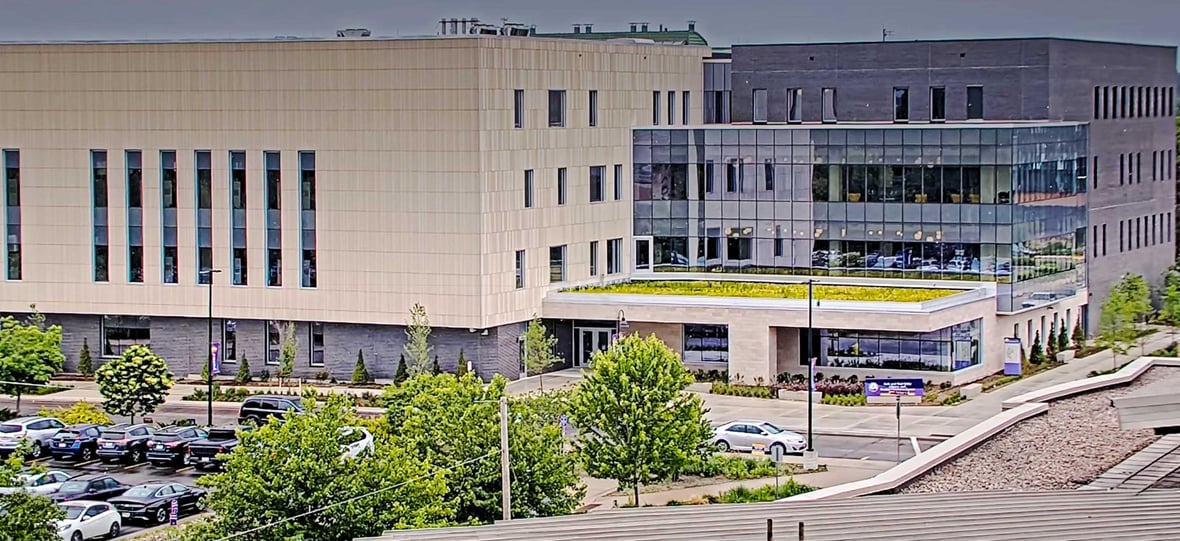
Building Smarter at UW-Stevens Point
At the University of Wisconsin-Stevens Point (UWSP), sustainability isn't just a goal. It's a commitment. The transformation of the former Albertson Hall into the Gale and Paul Kirby Library and Student Resource Center exemplifies how sustainability and environmental stewardship go hand in hand.
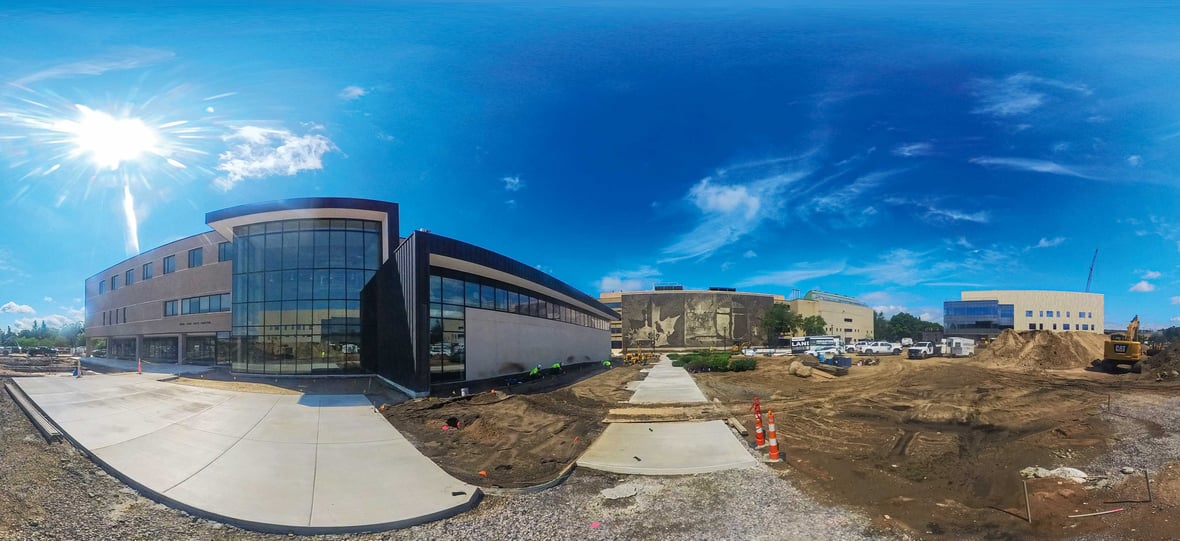
The new Library and Student Resource Center is a benchmark for sustainable construction. With a diversion goal of 75%, the project surpassed expectations, achieving a 92% rate of materials reused or recycled. This milestone was driven in part by extensive concrete demolition, which allowed for significant reuse and repurposing of materials on-site.
From the earliest planning stages, sustainability was woven into every aspect of the design and construction process. The project follows rigorous sustainability guidelines, including dark sky compliance, bird collision deterrence and native vegetation restoration. Green roofs, energy-efficient systems and water conservation measures are among the features that make the Library and Student Resource Center a model for eco-conscious development.
C.D. Smith Construction self-performed critical components of the build, with crews leading concrete, masonry and carpentry work. By self-performing key trades, the team maintained greater control over material sourcing, waste reduction and schedule optimization.
From dry ice blasting to clean exposed concrete columns to strategic pre-installation meetings that ensured seamless execution, every step was thoughtfully planned. The construction team collaborated closely with architects, engineers and campus stakeholders to deliver a space that meets today's needs while anticipating tomorrow's challenges.
The new Library and Student Resource Center is a hub for learning, connection and progress. The future of UWSP is being built the right way: sustainably, collaboratively and with purpose.
Project by the Numbers
Building Size
- 4 stories
- 150,000 SF
Solar
- 350 roof-mounted solar panels
Brick
- 129,000 total bricks used
Rebar
- 1.78 million pounds of rebar
Concrete
- 10,800 yards total yards of concrete
- 8,000 PSI concrete in columns and structural slabs
- Thickest slab is 18-inch thick on 4th floor supporting the County Archives Collection
- Beams above the monumental stair are 39 inches tall
- Largest pour: 640 yards
Glass
- 20,500 SF of curtain wall
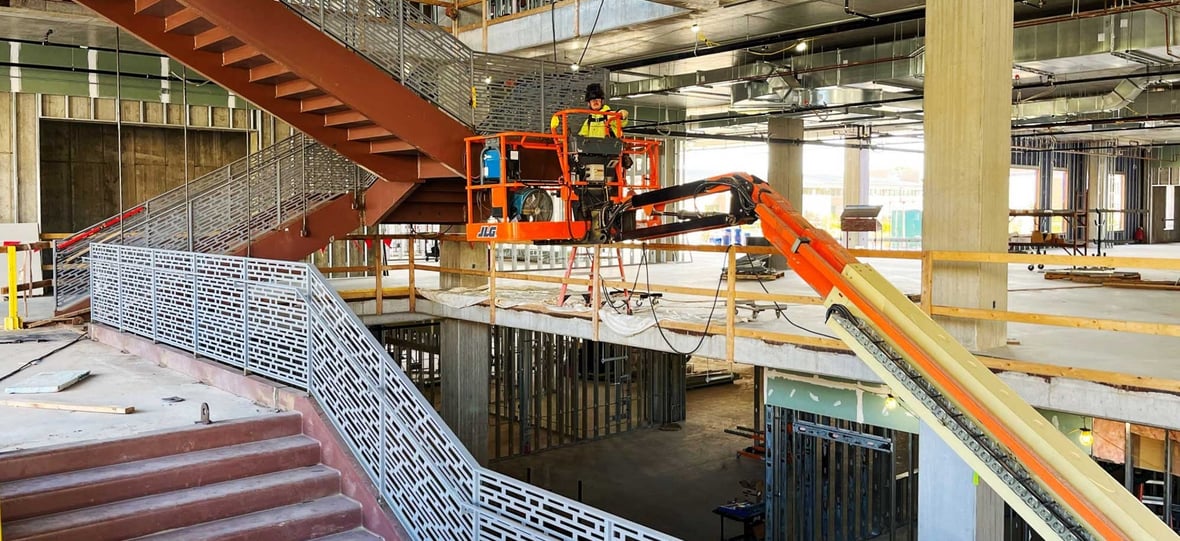
Monumental Stair
- 115,000 pounds (57.5 tons) of steel
- Hanger rods imported from Macalloy in Europe
- 2.1 total miles of weld during fabrication
- Additional 1 mile of weld during installation
###
Date: Fall 2025 | Author: Molly Haack
«•»
Follow C.D. Smith ON SOCIAL
#CDSmith #ThinkSafeWorkSafe


Frequently Asked Questions
How large is the Gale and Paul Kirby Library and Student Resource Center?
The facility is a four-story, 150,000 SF academic building serving UW-Stevens Point students and staff. It replaces the former Albertson Hall, which served the campus for more than 50 years.
What sustainability goals were achieved during construction?
The project established a 75% material diversion goal and achieved a 92% diversion rate through extensive reuse and recycling efforts, driven in part by concrete demolition that allowed significant on-site material repurposing.
What trades did C.D. Smith self-perform?
Concrete, masonry and carpentry were self-performed throughout the project, supporting greater control over quality, material sourcing and waste reduction.
What sustainability features are included in the building?
The facility includes green roofs, 350 roof-mounted solar panels, water conservation measures, dark sky compliance standards, bird collision deterrence strategies and native vegetation restoration.
What makes the building architecturally distinctive?
A monumental staircase fabricated from 115,000 pounds of steel serves as a central architectural and circulation feature connecting all four levels of the facility. Hanger rods imported from Macalloy in Europe suspend the structure, which required 2.1 miles of weld to fabricate and an additional mile during installation.
What is a construction material diversion rate?
A material diversion rate measures the percentage of construction waste diverted from landfills through reuse, recycling or repurposing. Industry targets typically range from 50% to 75%. Achieving 92% reflects deliberate planning around demolition, material handling and on-site reuse from the earliest stages of the project.