Commercial geothermal systems continue to gain attention as organizations look for long-term approaches to energy efficiency, sustainability and operational performance. Featured in the Fall 2025 issue of Beneath the Hard Hat® Magazine, the Nature's Way project demonstrates how geothermal technology can support environmental goals, business objectives and active facility operations throughout construction.
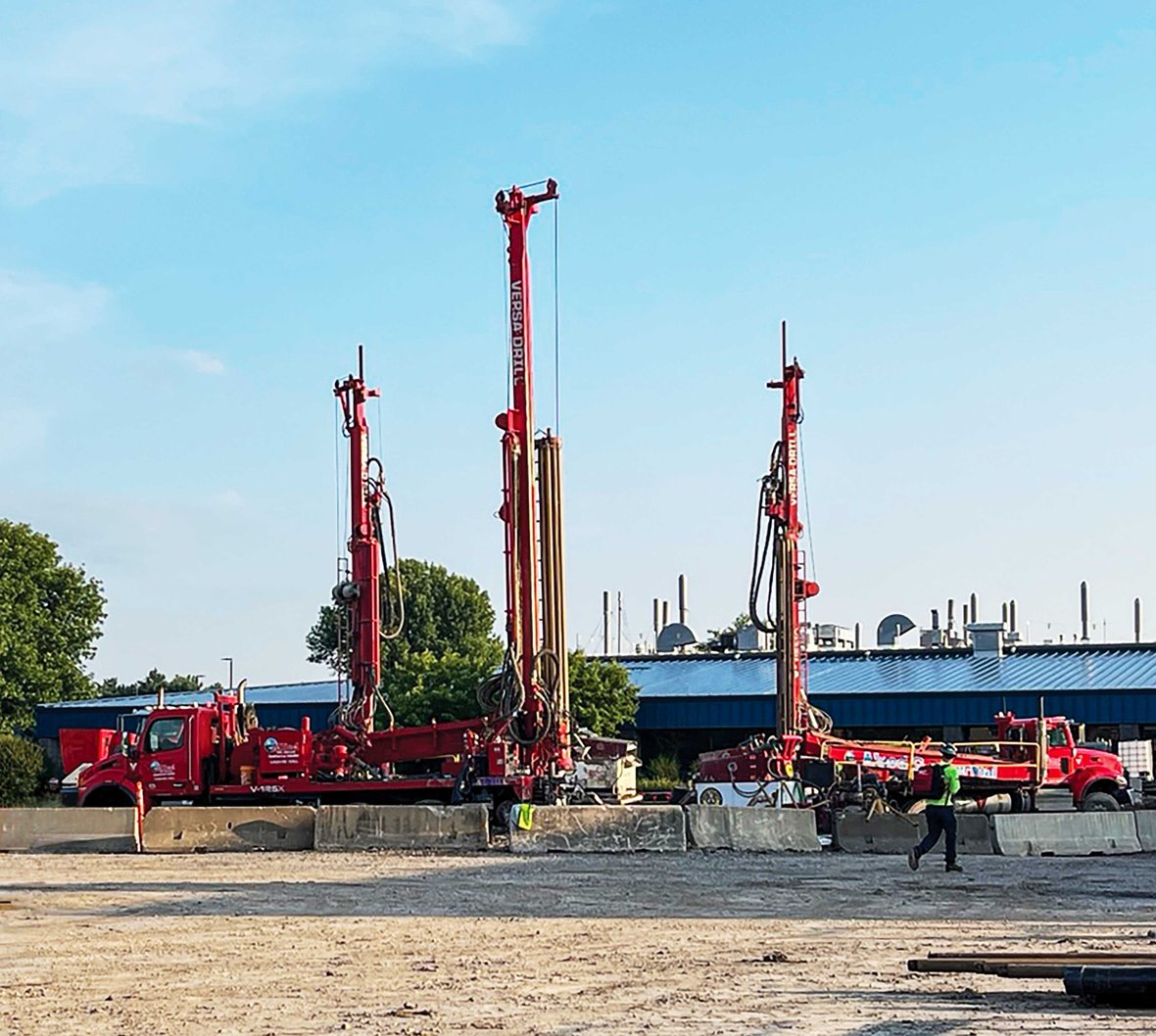
Commercial Geothermal Construction in Wisconsin
As the demand for sustainable construction intensifies, geothermal systems are rising as a powerful solution—especially in energy-intensive sectors like industrial food manufacturing. At C.D. Smith Construction, we’ve been collaborating on geothermal solutions across Wisconsin for years, with successful projects spanning the education,industrial, commercial, and food production sectors.
In Wisconsin, we’re uniquely positioned to take advantage of geothermal technology thanks to our subsurface temperature stability—approximately 50°F year-round. Geothermal systems use this consistent temperature to efficiently heat and cool facilities, circulating a water-based fluid through a series of closed-loop pipes buried underground. This allows systems to draw heat in winter and disperse it in summer, regardless of outdoor weather.
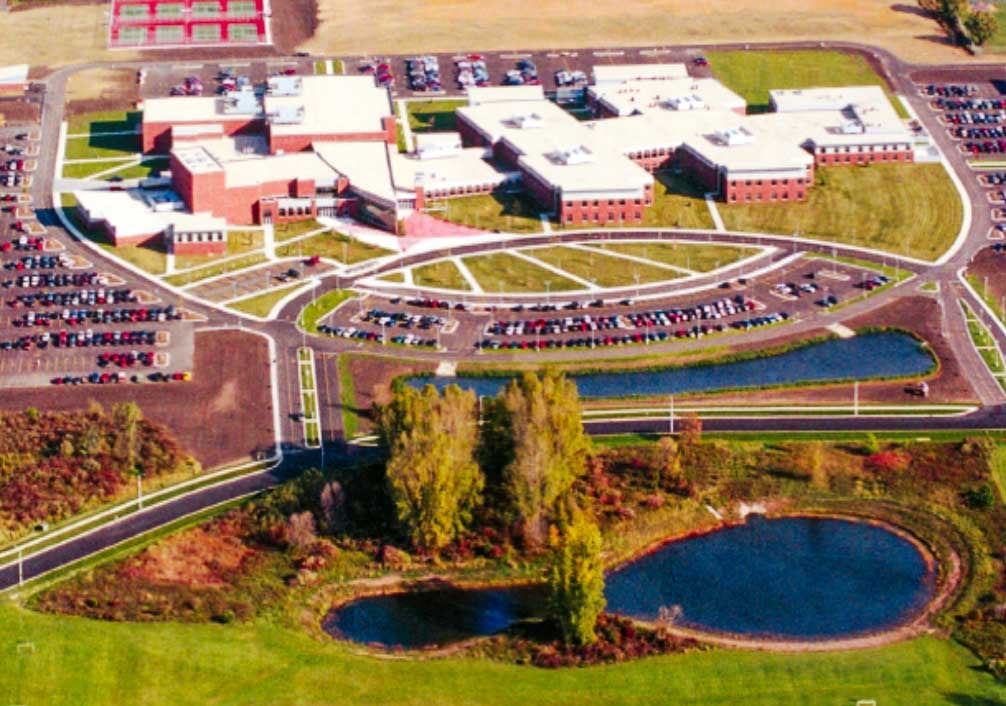
Fond du Lac High School, Fond du Lac, WI | Located on a 120-acre site, a highlighted feature of Fond du Lac High School is a geothermal heat-pump system. Forty miles of piping circulate in three separate ponds for geothermal heat exchange, saving on energy costs.
Geothermal offers several key advantages:
-
Lower long-term energy costs and maintenance
-
Stable, base-load energy source (not weather dependent)
-
High energy conversion efficiency (3:1 to 4:1 ratio)
-
Federal tax credits and sustainability incentives
Improved brand equity and reduced carbon footprint
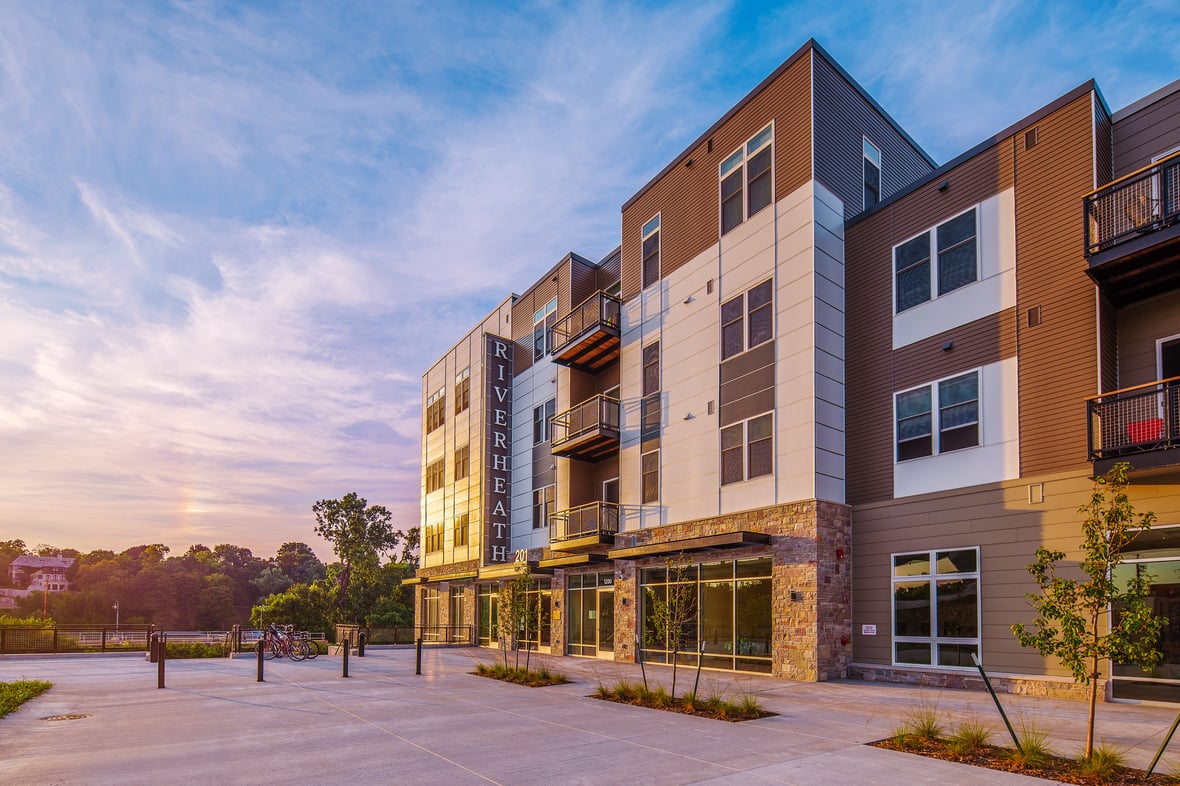
Riverheath, Evergreen Apartments, Appleton, WI | Evergreen was honored by the U.S. Green Building Council for sustainability. The building utilizes river energy to power residences, offices, and shops.
When considering a geothermal system, several factors come into play:
-
Is there available land for boreholes?
-
Is the existing HVAC system compatible?
-
What are the local geological conditions and permitting requirements?
-
Can installation be phased during off-peak times?
-
Are tax credits or financing options available?
Geothermal isn't just the future - it's a proven, high-performing solution that's ready to meet the energy challenges of today's industrial world.
Nature's Way Sustainability Project
Nature’s Way, a trusted name in natural wellness, is setting a bold sustainability precedent in the industrial food manufacturing space with its geothermal-powered facility expansion in Green Bay.
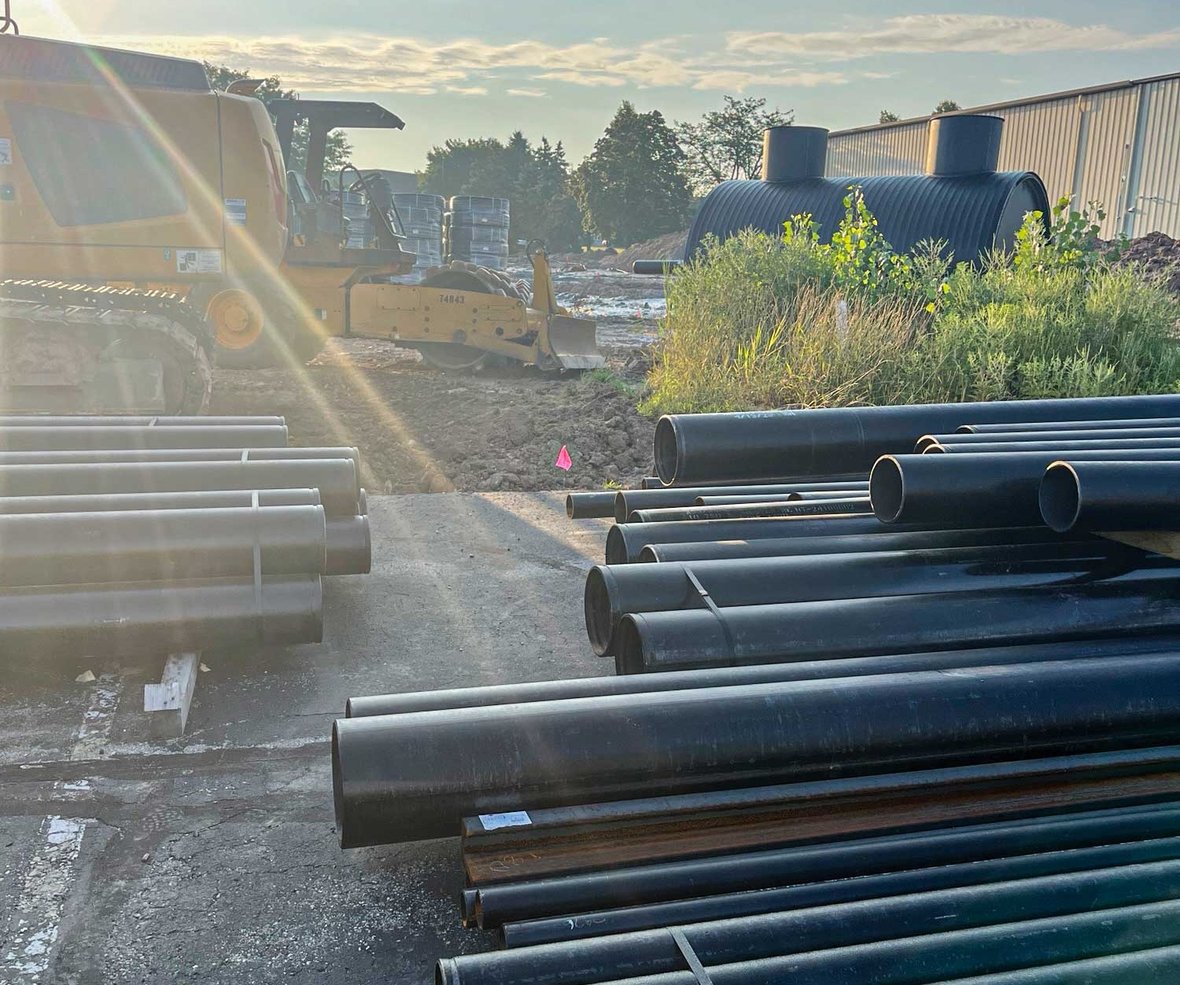
C.D. Smith began drilling geothermal wells in July 2025, with the system expected to go online in Spring 2026. The process involves drilling vertical wells up to 500 feet deep, segmented across parking lot zones to ensure minimal disruption to on-site operations. This thoughtful phasing allows Nature’s Way to continue manufacturing while transitioning to a cleaner energy source.
The results are powerful:
-
850 tons of CO₂ emissions eliminated annually (a 20% reduction in site emissions)
-
Significant long-term energy cost savings
-
100-year system lifespan
-
Federal tax incentives enhancing Return on Investment
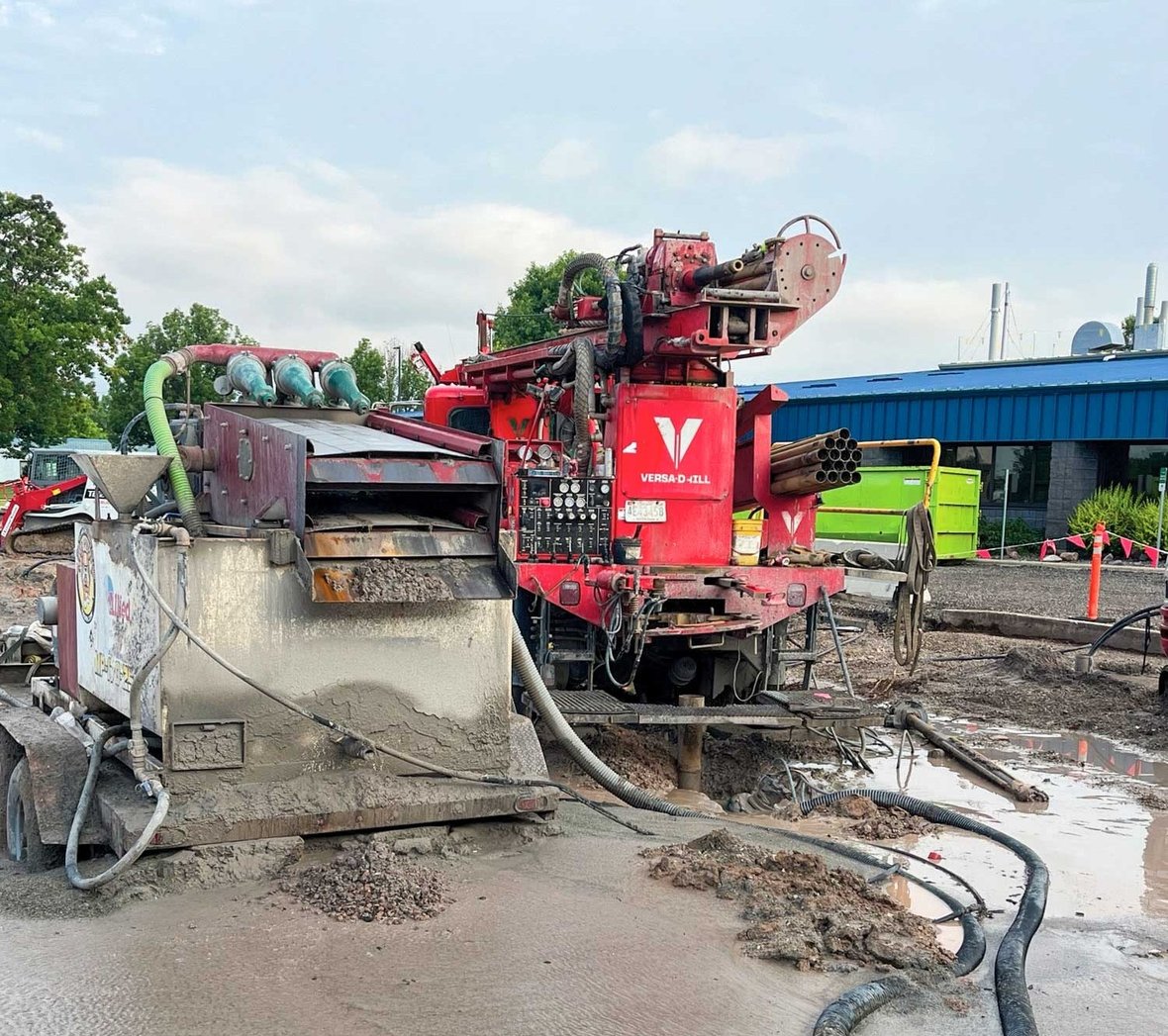
This project exemplifies how sustainable construction can align with business performance, employee wellness and environmental values.
Key Takeaways
- Wisconsin's consistent underground temperatures make geothermal systems an effective option for commercial and industrial facilities.
- Commercial geothermal systems can achieve energy conversion efficiencies of approximately 3:1 to 4:1.
- The Nature's Way geothermal project is expected to eliminate approximately 850 tons of CO₂ emissions annually, reducing site emissions by approximately 20%.
- Geothermal infrastructure can provide a projected lifespan of up to 100 years.
- Careful project phasing allows geothermal systems to be installed while maintaining active facility operations.
###
Date: Fall 2025 | Author: Molly Haack
«•»
Follow C.D. Smith ON SOCIAL
#CDSmith #ThinkSafeWorkSafe


Frequently Asked Questions
What is commercial geothermal construction?
Commercial geothermal construction involves designing and installing geothermal heating and cooling systems that use stable underground temperatures to regulate building temperatures more efficiently than conventional HVAC systems.
How does a geothermal system work?
Geothermal systems circulate a water-based fluid through underground piping where temperatures remain relatively constant throughout the year. The system transfers heat to or from the earth depending on seasonal building needs.
Why is Wisconsin well suited for geothermal systems?
Wisconsin's underground temperatures remain relatively stable year-round, creating favorable conditions for geothermal heating and cooling applications across commercial, industrial and institutional facilities.
What are the sustainability benefits of geothermal energy?
Geothermal systems can significantly reduce energy consumption and carbon emissions. At Nature's Way, the geothermal system is projected to eliminate approximately 850 tons of CO₂ emissions annually.
How long do geothermal systems last?
Geothermal loop infrastructure can have a projected lifespan of approximately 100 years, providing long-term value and operational benefits.
Can geothermal systems be installed at active facilities?
Yes. The Nature's Way project demonstrates how geothermal installation can be phased to minimize disruption while maintaining ongoing facility operations.
Related Links
- Sustainable Construction
- Geothermal Sustainable Construction
- Wisconsin Manufacturing Goes Geothermal: Nature's Way Sustainability Project
- Our Sustainability
- RiverHeath Evergreen
- Schneider National: The Grove Innovation Center
- Industrial Projects in the News
- Beneath the Hard Hat® Magazine | Fall 2025